The Royal Fleet Auxiliary (RFA) is going through a period of severe issues, characterised by staff shortages, delay in finances, and naval units unable to operate.
Despite commitments made in 2024 regarding the revision of salaries, the situation has come to a standstill. A portion of the staff is ready to return to protest, while a significant share of the fleet remains off duty due to a lack of resources.
New Tensions over Wage Disputes
The RMT union, which represents a majority of RFA crews, has confirmed the commencement of consultations for a new strike, expressing discontent over the lack of a concrete offer for 2025 following the promised salary review of 2024. Nautilus, which represents the officers, is also reportedly considering an internal referendum.
In January 2025, the staff voted to end the wage dispute thanks to a significant increase linked to the loss of purchasing power accumulated over the years. However, reportedly, the Ministry of Defence reneged on the interim agreements, and the offer for the new financial year has yet to materialise.
This reopening of the labour front fits into a delicate framework: over the past three years, the RFA’s workforce has noticeably thinned, with a growing number of resignations and a staff turnover insufficient to cover departures. The economic and contractual conditions offered by the merchant sector are in fact more advantageous and attract experienced profiles which are difficult to replace.
Replenishing Crews
Maintaining operative crews is an absolute priority, especially in light of the forthcoming fleet support vessels (Fleet Solid Support) planned for the 2030s. The RFA, despite being in difficult circumstances, remains the primary employer of British maritime staff, offering an employment security package and pension scheme generally above the private sector average.
Former frigate commander Tom Sharpe, commenting in the Telegraph, described the situation of the RFA as “paralysing for the Royal Navy”, arguing that “courageous decisions” are needed. He further observed that the absence of support ships makes the employment of carrier groups unsustainable:
“The idea of having aircraft carriers without support ships is simply absurd. If we can’t get the RFA to work, we might as well give up on aircraft carriers.”
The Ministry of Defence responded by stating that the RFA still continues to guarantee global support “based on priorities and availability”.
RFA Argus
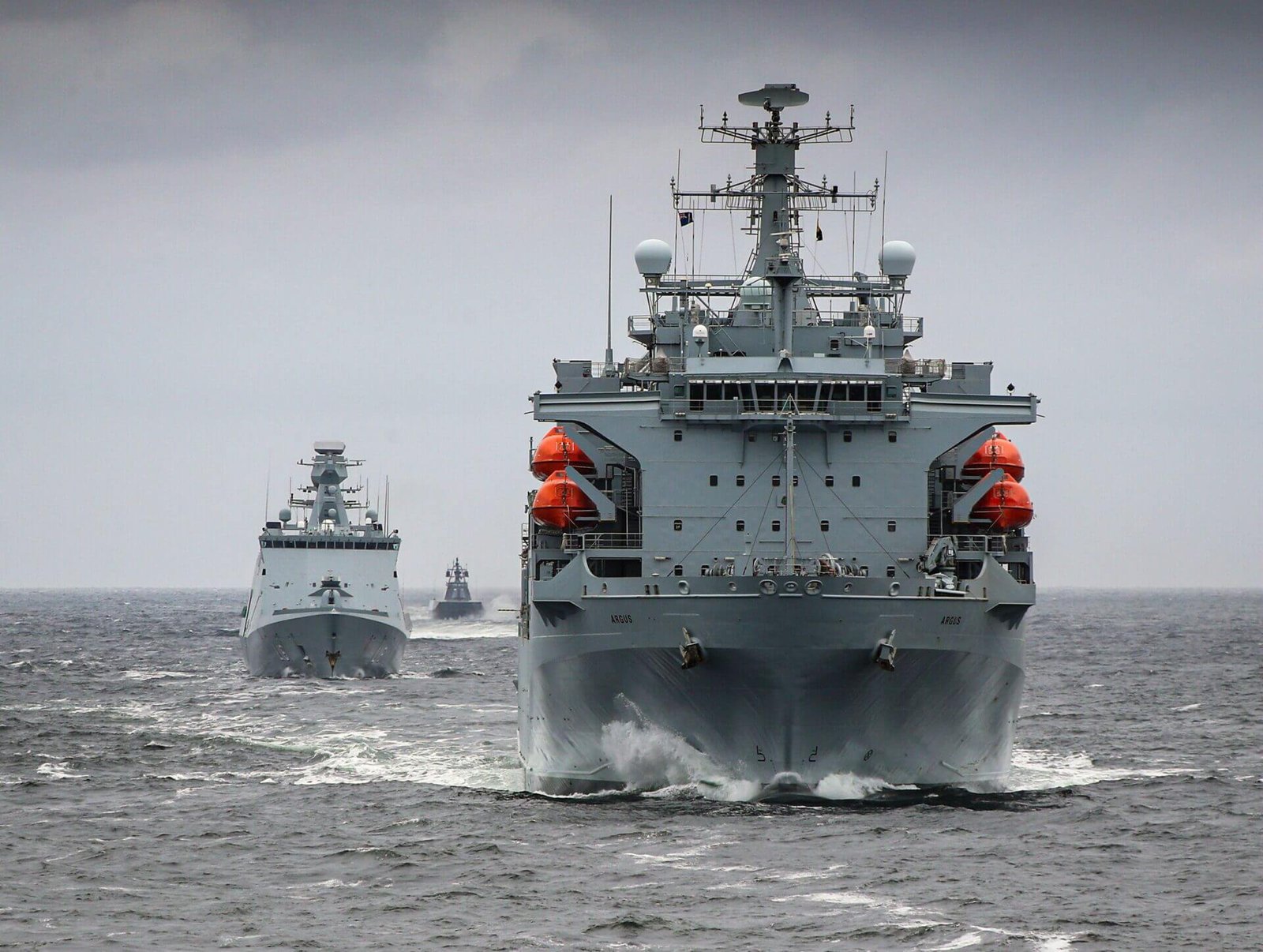
The situation of the RFA Argus, the only Primary Casualty Receiving Ship of the British fleet, built in the 80s in Italy at the Breda shipyards in Marghera, represents the most critical point.
Not fit to sail since the beginning of the year, the ship was declared unsafe and has lost its navigability certification last July. Technicians from Lloyds Register and maritime inspectors have highlighted extremely concerning structural conditions. According to the Daily Telegraph, the deficiencies found in the propeller shaft could have caused the flooding of the ship. Lord West of Spithead, the former First Sea Lord, described the ship as “in a decrepit state”, adding that it is “unacceptable” that such an important unit has been allowed to deteriorate to unsafe levels.
RFA Proteus, the Sole Asset for Seabed Warfare
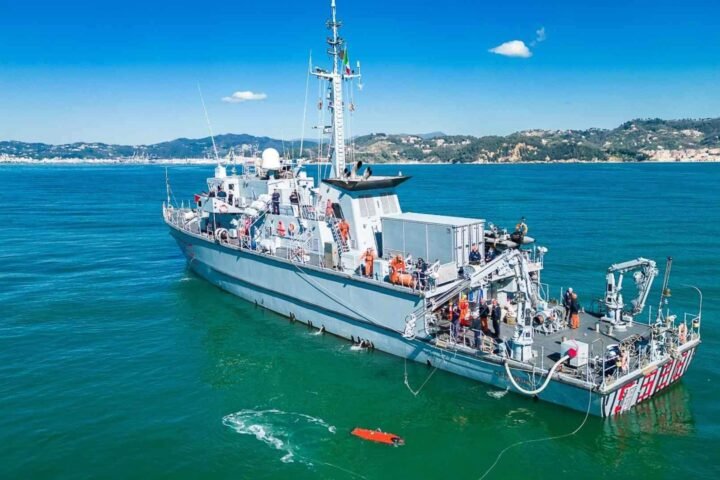
Despite the hardships, there are encouraging signs: RFA Proteus, a ship dedicated to the control of underwater infrastructure and Seabed Warfare, is at sea off the coast of Norway. The original plan envisioned three units to ensure continuous coverage; however, budget restrictions led the then-minister Ben Wallace to approve only one. Having overcome the initial problems, Proteus could provide up to 330 operational days per year, ensuring continuity in sensitive missions related to the protection of cables and strategic ducts.
Fleet Availability
Operational constraints not only relate to the Argus. RFA Lyme Bay is currently stalled in Gibraltar after an exercise with the Royal Marines and will not leave the port prior to the new budget availability; RFA Cardigan Bay remains unavailable due to a refit that exceeded estimates; RFA Mounts Bay, albeit fully updated, cannot resume service due to lack of staff; and RFA Fort Victoria remains in “extended readiness”, with costly restoration interventions necessary before it can return to sea. This series of unavailability de facto deprives the Royal Navy of active amphibious capabilities, having a direct impact on operational flexibility and force projection.
On the supply unit front, however, there are more encouraging signs. RFA Tidespring has just concluded a global operation cycle and is now under maintenance in Gibraltar; RFA Tidesurge provided support to NATO naval groups in the Atlantic, even in a period characterised by the tragic loss of sailor James Elliott; RFA Tideforce has completed its support activity for the Carrier Strike Group and has returned to Portland; RFA Tiderace, after a prolonged period of inactivity, is currently restructuring its crew and preparing to re-enter the naval team steadily.