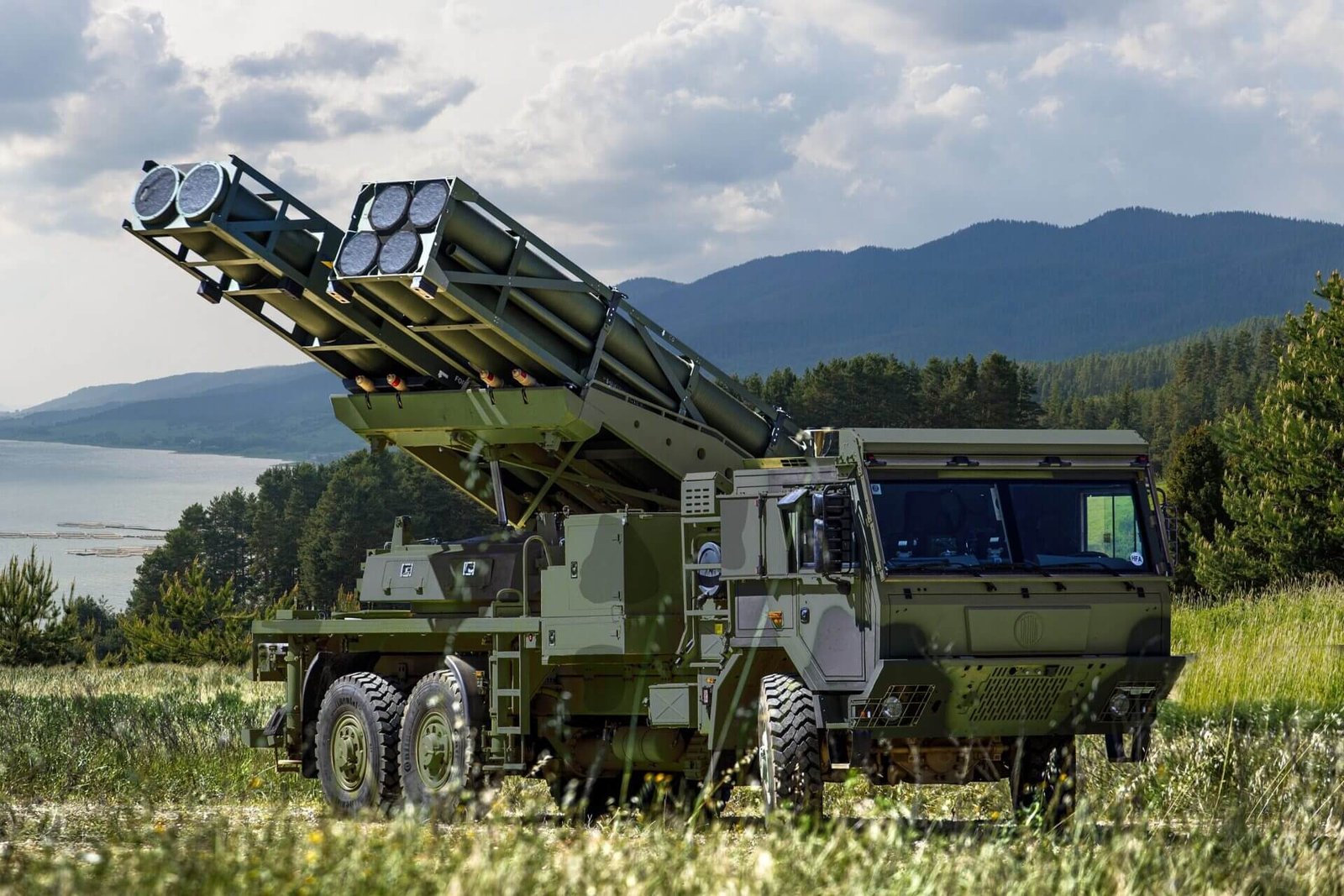
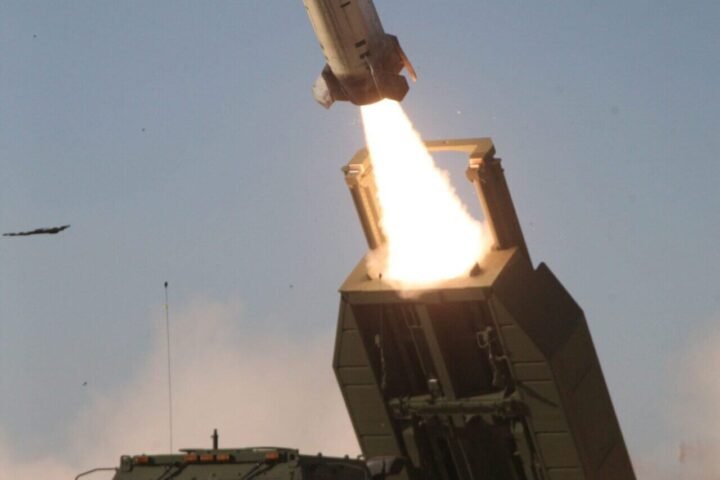
The Athens Parliament has decided to approve the acquisition program of the multi-rocket and multi-caliber PULS produced by the Israeli Elbit Systems.
Specifically, an allocation of nearly 700 million Euros for the purchase of 36 PULS artillery systems will be authorized.
With the authorized purchase of the PULS, the Greek Army will no longer proceed to upgrade the American MLRS M270 systems, for which a request of 1.1 billion Euros had been submitted to revitalize 24 out of the 36 available systems, upgrading them to the A2 standard capable of employing GMLRS, GMLRS ER, ATACMS, and the Precision Strike Missile.
Features of the PULS
– The multi-launcher and multi-caliber Precise and Universal Launching System (PULS) by Elbit Systems utilizes a variety of advanced missile systems. These include de-calibrated training rockets without explosive heads, 122mm ACCULAR rockets (range up to 35 km), 160mm ACCULAR (range up to 40 km), and 306mm EXTRA (range up to 150 km), and Predator Hawk missiles (range up to 300 km) for precision attacks. – Over the past few years, the PULS system has been chosen by numerous countries in Europe, including Germany, Netherlands, Denmark, and now Greece, thus evidencing its efficacy in enhancing defense capabilities in modern battlefields. – Spain had also opted for the PULS, with a significant program that included broad Iberian industrial participation. However, the Madrid government canceled the relative contracts in response to Israeli military operations in the Gaza Strip.
The Strategic partnership between Athens and Tel Aviv
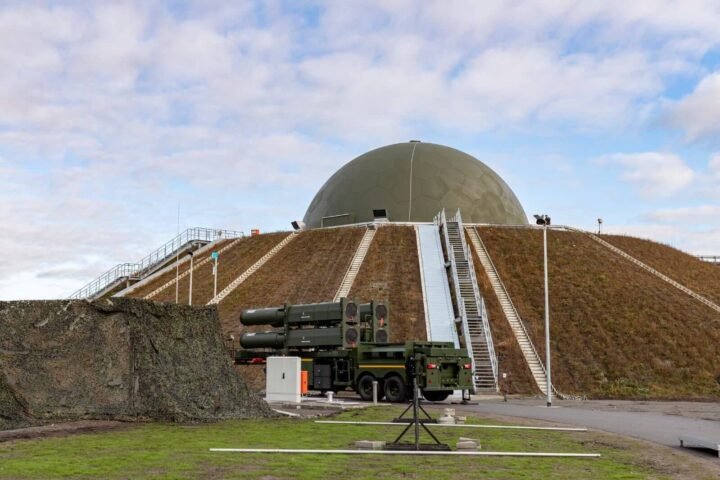
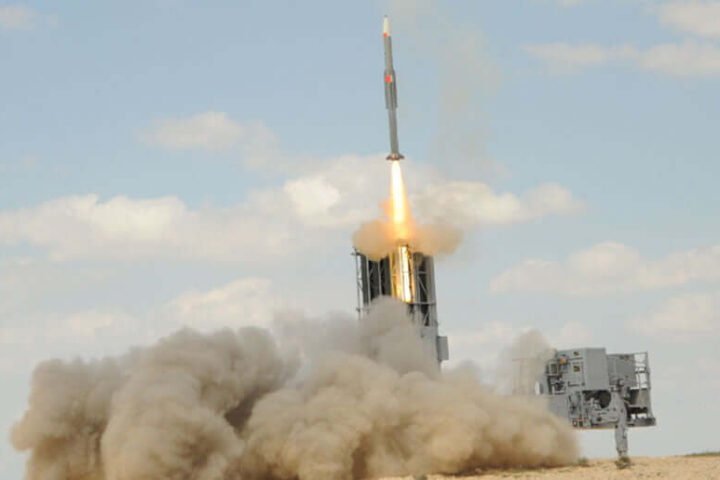
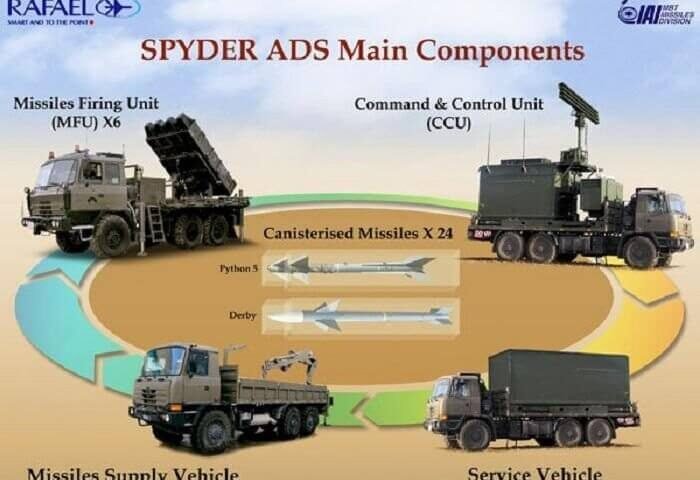
The purchase of the PULS is the latest confirmation of the strategic partnership established between Greece and Israel, soon to be further strengthened by an expansive air defense program totaling over 3 billion Euros. Athens will equip itself with the Spyder, Barak MX ADS, and David’s Sling systems, which will replace older systems of Russian/Soviet origin such as the OSA, Tor, and S-300, and the MIM-23 I-HAWK that have reached their operational end of life. – Both Athens and Tel Aviv are mutually interested in containing Ankara, which is very active in the eastern Aegean Sea, Cyprus, and Syria, especially in the sensitive area of research and exploitation of gas and hydrocarbons in the eastern Mediterranean seabed. – Photo credit @Elbit Systems