China and Japan increasingly confront each other over the near future of Taiwan.

Beijing did not particularly like the words spoken in Parliament by Japanese Prime Minister Sanae Takaichi regarding the immediate mobilization of Tokyo’s Self-Defense Forces in the event of a Chinese attempt to invade the island of Taiwan.
Indeed, the Chinese Ministry of Defense responded by stating that, in the event of Japanese intervention, Japan would suffer a heavy and crushing defeat inflicted by the Armed Forces of Beijing.
The Japanese prime minister hinted at the possibility of a military clash with China, should the latter decide to forcibly resolve the issue of the independence unrecognized by Beijing of the rebel Taiwan; because the invasion of the island could trigger a threat situation for Japan’s own survival.

Beyond the statements of the Chinese Ministry of Defense, there is also the convocation of the Japanese Ambassador in Beijing who had to receive from the Chinese Ministry of Foreign Affairs a formal protest in this regard.
For its part, Tokyo recently makes no secret of considering the defence of Taiwan something of a primary national interest. For Japan, Taiwan is a major market as it has strong economic and industrial interests on the island. Additionally, for the Tokyo government, free navigation through the Formosa Strait and along the eastern coasts of the island is a fundamental and indispensable condition to ensure the commercial routes to support the Japanese economy and the entire Southeast Asian area.
Tensions between China and Japan have increased with the growing aeronautical capacity showcased by the Chinese Armed Forces, to which Tokyo has responded by strengthening its own Self-Defense Forces.

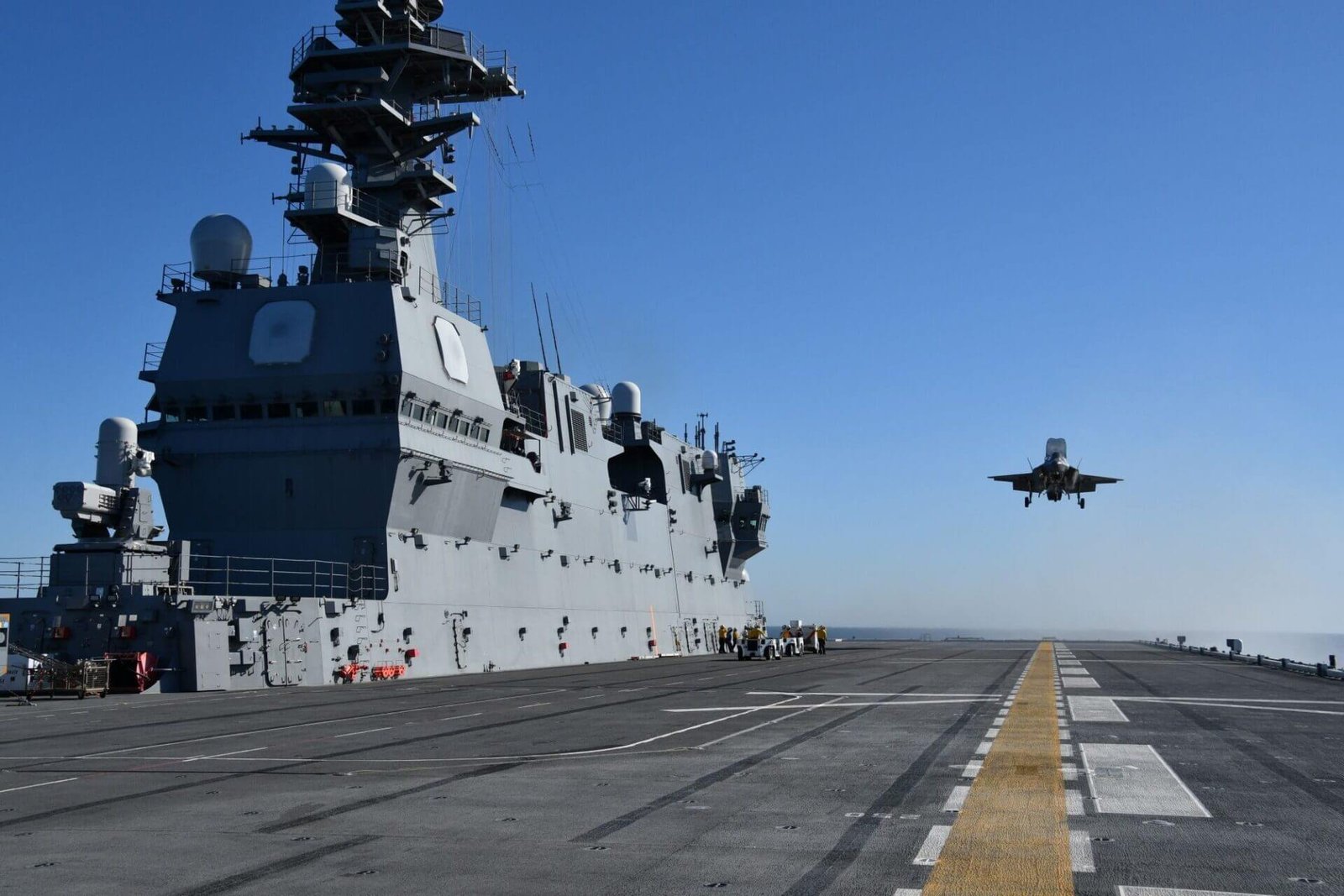
While China has initiated a program of building aircraft carriers, still equipped with conventional propulsion but with electromagnetic catapults (EMALS), Japan has responded by modifying the two JS Izumo and Kaga to make them compatible with the F-35B short-takeoff and vertical-landing strike fighters.
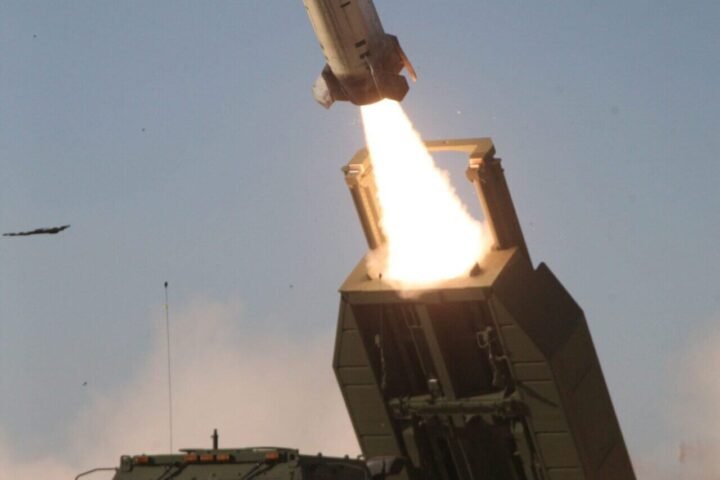
The very decision of Tokyo to purchase long-range cruise missiles BGM-109 Tomahawk and to develop the cruise version of the Type 12 anti-ship missile, as well as the initiation of programs for missiles and hypersonic reentry vehicles, all measures that Japan justifies to cope with the increasingly aggressive North Korea, have irritated China, denouncing the return of the Japanese militarist faction, a sort of dangerous attempt at revanchism.
Another contested point between Beijing and Tokyo is Japan’s stance on adopting nuclear-powered submarines, a situation that arose with President Trump’s decision to support a program for a SSN to be built in the United States for South Korea.
On this point, the Japanese Minister of Defense has not particularly exposed himself, stating that all technological options are evaluated to strengthen the Self-Defense Forces.
Such innovation has, of course, put Beijing on alert, reminding Seoul of the obligations arising from the Non-Proliferation Treaty (NPT), a warning to be extended to all other regional actors.